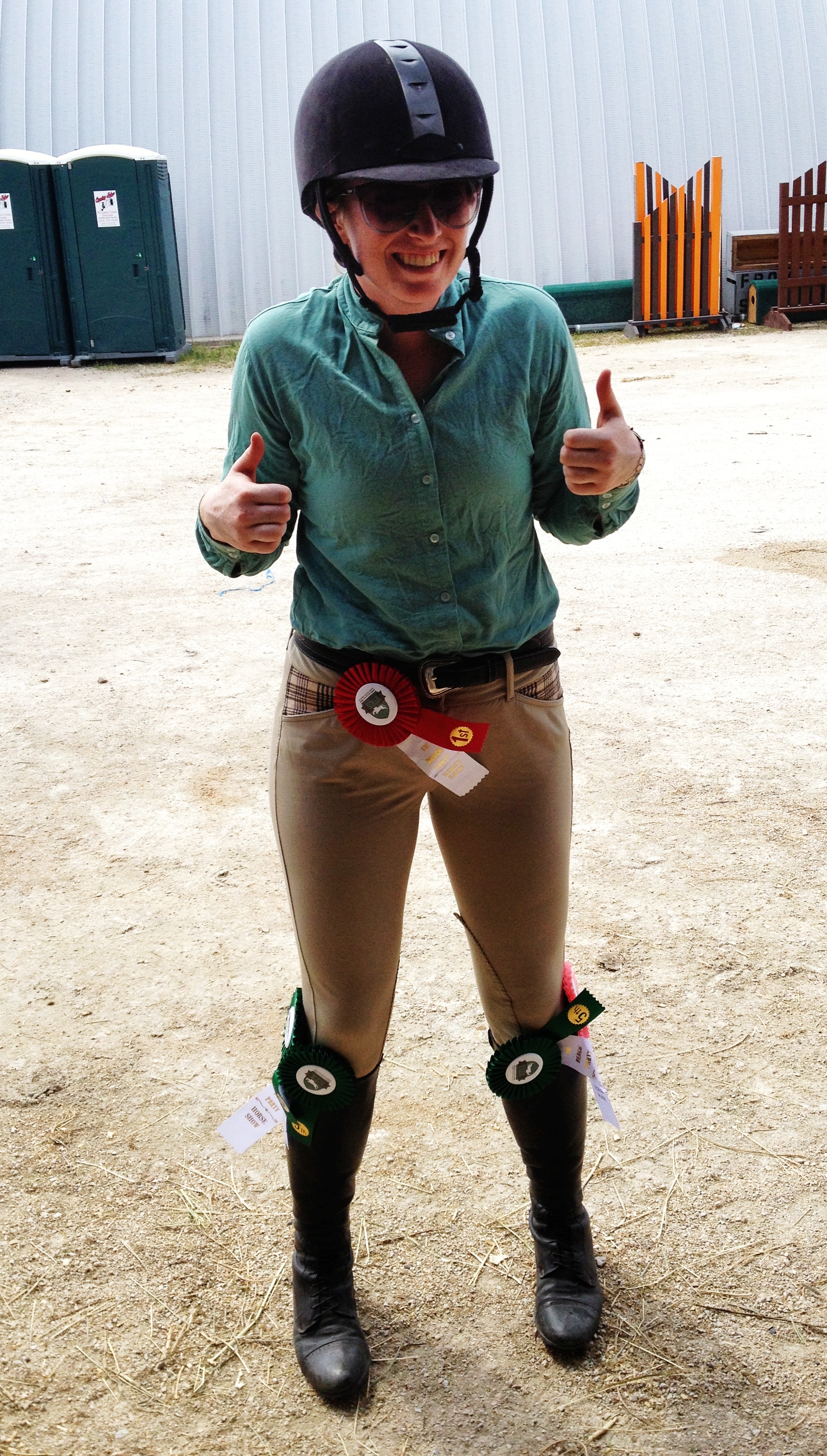
Chill with what my body tells me: another lesson in maturity

So I’ve been trying this new thing lately. Something I have maybe not done as much as I should’ve in the past.. and I’ve learned the hard way that doing it every once in a while is a good thing. It’s that whole “listening to and respecting what your body is telling you” thing.

Turns out mine has a lot to say.

Shocker.

We’ve had our differences in opinion, my body and I. Whether it be through injuries, spontaneous tailbone cysts, impromptu illness and food intolerances, or just reacting to the stress of what I try to pass as a sane schedule- we’ve had to learn how to learn to listen to and tolerate each other in some interesting situations. Almost a year ago now I started the journey of modifying my eating habits to better serve my body, and while there have been some ups and downs with that- I’ve been rewarded in more ways then one for my choices.

Any athlete, at one point, has to learn to deal with injuries in a more productive way then letting the injury control who they are/want to be, and I am very thankful I learned that lesson before this most recent injury. Being one of the first injuries directly related to sport that has knocked me out of commission for a long recovery, I’ve managed to not let it get into my head too much. Whether it’s maturity, or years spent figuring out coping mechanisms (are those things the same thing?).. I’ve treated myself with moderate patience so far through the rehab process, and because of that made pretty significant gains in month following my accident.

Last summer and into the fall when I was recovering from a concussion, I struggled with listening to what I needed. Anyone who has had a concussion will likely have gone through the same experiences. Tasks that were once no big deal become Mt. Everest, yet you are the only one who can see that mountain. There is no cast on your leg telling those around you that you can’t climb.. all there is is symptoms within your head that only you experience. It’s lonely, it’s depressing, and it’s scary. It is an impossible task for those go-getters among us to not try to push through those signs telling us to stop.

Going to a prof (especially one who may not know your regular personality), or a classmate, or a friend- and saying things like “studying for this exam makes me dizzy and nauseous, and I can’t follow even the simplest material…I don’t think I can do this right now” can be absolutely terrifying.  What will people think of you? Will they see me as a flake? Am I not trying hard enough? The conversations I had during this period were some of the scariest of my life. Symptoms of this injury can seem so ridiculous.. until you experience them first hand. Those experiences are partly responsible for giving me some respect for what my body tells me.

Being a student in a health field brings a whole new side into things. Talk about overthinking, try knowing every possible outcome to injuries- and then having said injury, or having someone close to you have that injury. Then you will really understand overthinking. However, again maybe it’s maturity coming into play, there comes a point where you recognise that all you can do is what you can do- that’s it. Control is relative, and intuition is a fantastic thing to utilise. Being honest with yourself about how you’re doing is a really healthy skill. Not trying to micromanage yourself is another beauty of a talent.

I spent most of last week studying for the exam I wrote on Monday: Ergonomics. This is a challenging applied biomechanics course I quite enjoy, and it’s a subject I’ve chosen to do a directed study on next year with a focus on rider mechanics and fitness. That being said, I put a lot of weight into doing well on this exam- because it would be a tad awkward if I didn’t get a good mark in this course- yet wanted to pursue research in the area. I planned it so that I could spend my study time during reading week on this course, and then use the remainder of this week to study for my other heavy exam on Thursday (Exercise Physiology- not a course I particularly enjoy).

The first half of my plan worked quite well. I walked away from my Ergo exam feeling like I managed a half decent mark (for me that’s a B ish), and ended up with an A (!!!). The second half of my plan.. not so much. Over the weekend I started getting sick (viral like symptoms)- and then got better for Monday. After my exam Monday, it all came back (damn you reading week for slowing down my immune system!!!!). My whole body felt weak, headaches, dizziness, faintness, all of which got worse when I tried to study..or move.

After day two of trying to study and only making myself sicker- and then stressing myself out thinking about how writing this exam on no preparation could only mean I was a failure….I decided to listen to my body and see a doctor (What? Me? See a doctor voluntarily?). When rolling over in bed causes me to feel like I had recently run a marathon- I reach my limit. Lets not talk about how stairs make me feel right now, and that’s not even from a busted leg perspective.

Thankfully the doctor confirmed my suspicion of just a frustrating virus being the culprit (although a blood panel is being run to rule anything else out, of course).. and decided for me that anything involving school tomorrow (including the monster exam) is out of the question. Sometimes me listening to me is really just me finding someone who will indirectly push me to make the right decision for me. This is why I surround myself with wise people. They indirectly make me smart… occasionally.

Pretty much as soon as I emailed my profs explaining what the doctor had told me, and acquiring the note to back all that up if need be- I felt so much more relaxed. The monster exam seems less big and scary now that I will have a chance to prepare for it. Sometimes being a dedicated student (or athlete) means knowing when to slow down and take the time to recover so you can perform your best.

Why did it take me so long to learn this??

IMG_6735

Photo cred to Jenaya MacKinnon of Out of Focus Photography (click pic for link)

165 minutes in the pool, and a neuropraxia (a week in the life…)

I chose to give the amount of time in the pool instead of distance, because time makes me feel way better about myself..

I’ve been in the pool as much as I planned to be this past week, and very glad I’ve found something I can do to stay active! I’m able to do more and more on the land as the days pass as well, and with plans for my horse to be moved back into training come April- I’m hoping that I’ll be fully back into some sort of training by then as well. I’m amazed at how busy I’ve managed to keep myself even while being limited in the amount of things I can do.

Swimming in the early morning before classes has been a welcome addition to my schedule, and I’ve managed to get my nutrition back on track just time time for midterm season (thank goodness). Work and clinic shifts have been added back into the schedule, and finally getting around to more of an ad for my class got done as well. That plus classes and being a patient filled up my week pretty quick!

We noticed while doing exercises with the leg on Friday that my fibula was moving a little bit too much for logical anatomical function… and decided that it might be time to get a doc’s opinion on the neural and ligament damage happening. Pain has greatly decreased, thankfully- but I’m still not quite up to full function (far from it, actually). The weekend passed too quickly, spending it with friends and teaching my FTC class at MORfit.  Teaching with only being able to half demo exercises is getting super hilarious….

To start this week off I enjoyed a low-key holiday Monday, spending a good portion of it with Lauren and Megg at the pool, and then having lunch discussing some plans for our future as pentathletes. I was able to kick for a full 25m in the pool (up until yesterday I haven’t been able to use my legs at all).  Today I got into see a sport med doctor, who confirmed my AT and I’s belief of destroying pretty much all the ligaments connecting my fibula to my tibia, and a neuropraxia to my peroneal nerve.

English translation: a nerve in my leg is a little bit angry/temporarily dysfunctional because of the trauma of the original accident. This would explain the loss of sensation in my lower leg and parts of my foot, and the initial difficulty controlling certain movements. Positive to this? It’s temporary, and although I’m having an MRI done anyway, he predicts it will clear up.. eventually.

The rest of my day was spent working on a poster for my class, and working. Didn’t get as much studying done as I’d hoped..but that’s what tomorrow and the rest of reading week is for I suppose! Which is unfortunately already half over… Sad face.

20140219-001534.jpg

An early morning at the pool awaits me, so I will leave it short and sweet!

20140219-001501.jpg

Agility for the rider: mind and body

Defined as the ability to control direct of the body, or body segment during rapid movement, agility is a commonly used training method in many sports.  Agility has also become common in the equestrian world as a way to work with horses, training obedience and giving riders a fun way to work with their partners. Unfortunately, it isn’t as common to see riders doing agility training for themselves. Agility is related closely to reactivity, and any rider can appreciate the potential of being reactive in the saddle. Reaction time is the time between the onset of a stimulus and completion of the action, the stimulus could be your horse falling to the outside and your resultant action of using correction aids to re-balance around a corner.

cropped-dsc0404.jpg
Athletes of all sports, riding included, rely on complex neural pathways and biofeedback to keep them performing at their best. It could be argued that as agility training is meant to improve quickness and reactivity in sports where athletes are asked to do a variety of quick movements with their bodies and riders are sitting on another animal doing majority of the movement that agility isn’t a key aspect of our sport. However, while riders do have four extra legs moving us through space- riders are required to react to a variety of things throughout the course of a ride. The decision making process involved with the sport can only be enhanced by training the body to speed up the neuromuscular response.
Recent research has shown that agility like training can help improve concentration and focus in athletes (and general population). Moving your body in quick sequence in reaction to any given stimulus takes brain power-  it’s something I do a lot of with my older adults class. Working on the agility ladder every week, giving them new patterns to do- they always tell me they can feel their brain working just as much as their body is- trying to coordinate their movements and focus their mind on the task.
Still 10
I talk a lot about confidence and how improving fitness can lead to increased confidence. One of my favourite quotes related to this comes from Harvey Penick:
 “If there is doubt in your mind…how can your muscles know what their supposed to do?”.
A rider’s reaction to any given thing while in the saddle (or on the ground or that matter) can mean the difference between a clear round and knocking a rail, or a perfect transition and a sloppy one. The horse’s performance is a mirror of our own, how can we expect them to be sure-footed and agile, if we are slow and uncoordinated with our cues. From another point of view, reaction and agility can make a big difference when it comes down to staying the tack during unpredictable incidents. Yes, there is only so much a rider can do if a horse decides to bolt, stop, rear, etc. They are large animals with their own thought processes. But a rider who has trained their body to react quickly and efficiently no matter the situation is much better prepared to make a good recovery then one who is a few milliseconds off of the movement. You find a long spot to a big oxen half way through a course- wouldn’t you rather be able to react appropriately and not be left behind, compared to the sketchy alternative?
Much of athleticism is thoughtlessly performing complex movements and making split second decisions. Often the difference between good riders and great riders is in the subtle decisions. Finding that perfect distance every time doesn’t just take an ability to see the distance, it takes appropriate timing of cues, and following through with each decision before, during, and after each jump. The same can be said for riding a dressage test, performing a reining pattern, on the endurance trail, or any other sub-division of the sport. Each has its own set of decisions to be made. Decisions are much easier to make when there is efficacy behind them.
tumblr_mdluxy62VT1rkqrtjo1_500
While riders aren’t required to directly move quickly, change direction, and transition through movements- they are indirectly responsible for coordinating all those things through appropriate use of their body weight, fluidity of their joints (requiring stability), effective use of aids, and good timing. We’ve all seen riders who are lacking in any of the above qualities, and it’s not always nice to watch.  Agility incorporates many factors from the body: balance, coordination, joint stability, strength, power, and flexibility. It asks the mind to focus and builds reactivity throughout the entire body as a result.  If we expect it from our horses, we have to expect it from ourselves. Why wouldn’t you want it in a training program!

Oh my fibula!

Are you getting sick of my leg-injury related titles yet? That makes two of us. Well, I’m sick of my leg- not the titles. I think those are witty.
20140211-214438.jpg

So I’m walking. The debate is out on whether I should be or not. What I should be doing is studying.. while sitting, and not moving. Instead I’ve taken up a new sport, put minimal effort into studying, and eaten more pizza in the last 4 days then I have in the last 2 years. Close enough?

20140211-214519.jpg

Before you all panic about the whole “taking up a new sport” thing, I’ll clarify that I am not using my legs or weight bearing while participating (yet). Right now the extent of this new sport is swimming laps in the mornings, not kicking- getting a solid arm and core workout. Why have I started this?
A) I’m going a bit stir-crazy not being able to do much training, and
B) I am actually taking up a new sport: pentathlon. Yes, the one that has swimming, fencing, show jumping, running, and shooting. That one. Doesn’t it sound fun?! Long story short, Lauren, Megg, and I decided that Manitoba needs a pentathlon team, and are seriously in the process of organizing ourselves to begin training. As Lauren put it today, “it’s not if, but when..”. We will need all the help and connections we can get, so if you or someone you know knows people in any of the above mentioned sports or the pentathlon community- hook us up!
I’ve been able to go back to work this past week at MORfit, and kept up with teaching at the University. Obviously HC is still out for a while. My older adults class is very concerned about me, one knitted me get well socks last week, and this week I was cornered by a couple of them and interrogated as to why I wasn’t on my crutches, and as to whether or not I was okay. The past two weeks I’ve also been able to run my Functional Equestrian Training class, last week being a class where I demoed absolutely nothing, and this week I demoed a bit more (and immediately regretted it). It’s very cool to see those coming regularly to the class progressing as I had envisioned. I’ve noticed big improvements already in postural positioning, and absolutely love the enthusiasm I receive every time I come out with some new things to try.  It’s actually getting very difficult for me to not get distracted during lectures by all the ideas I have for this class! Perfect timing for midterm season!
The past week and a bit has been fairly busy, as mentioned above I’ve started back a work and kept up with my classes. I wasn’t able to do any clinic work, although I am in the clinic every day as a patient pretty much. Either icing myself, or at one of my actual appointments. I started out the week with crutches, and then was able to progress to no crutches later in the week. By Friday I was walking pretty good, and able to start doing some balance work (and it is needed) on the bad side (after my spending 3+hrs in the clinic being worked on… all 4 injury sites got some attention). Friday night I managed to accidentally put too much pressure on the leg, and got a nice pop/mobilization at my prox. tib/fib joint, which ticked off a few things… which lead to weight bearing being  problem again for the early parts of this week. Then there was yesterday when I walked into a low table in my apartment, stubbing my toe and hitting my leg on the corner…..
Sigh.
It has been getting slightly better though, each day has it’s ups and downs and new feelings, but the inflammation has stopped- all the pain now is stemming from the actual damage.. and I’m learning what bone bruising feels like… It’s not a good feel, just fyi. However, less parts of me hurt now… which I suppose is an improvement. There has been many moments where I’ve almost thought someone should stick me in a cast, or semi-permanently attached crutches to me so I don’t keep trying things above my current ability, or accidentally hurting myself.. It could very possibly make my recovery process go a lot smoother.
20140211-214459.jpg
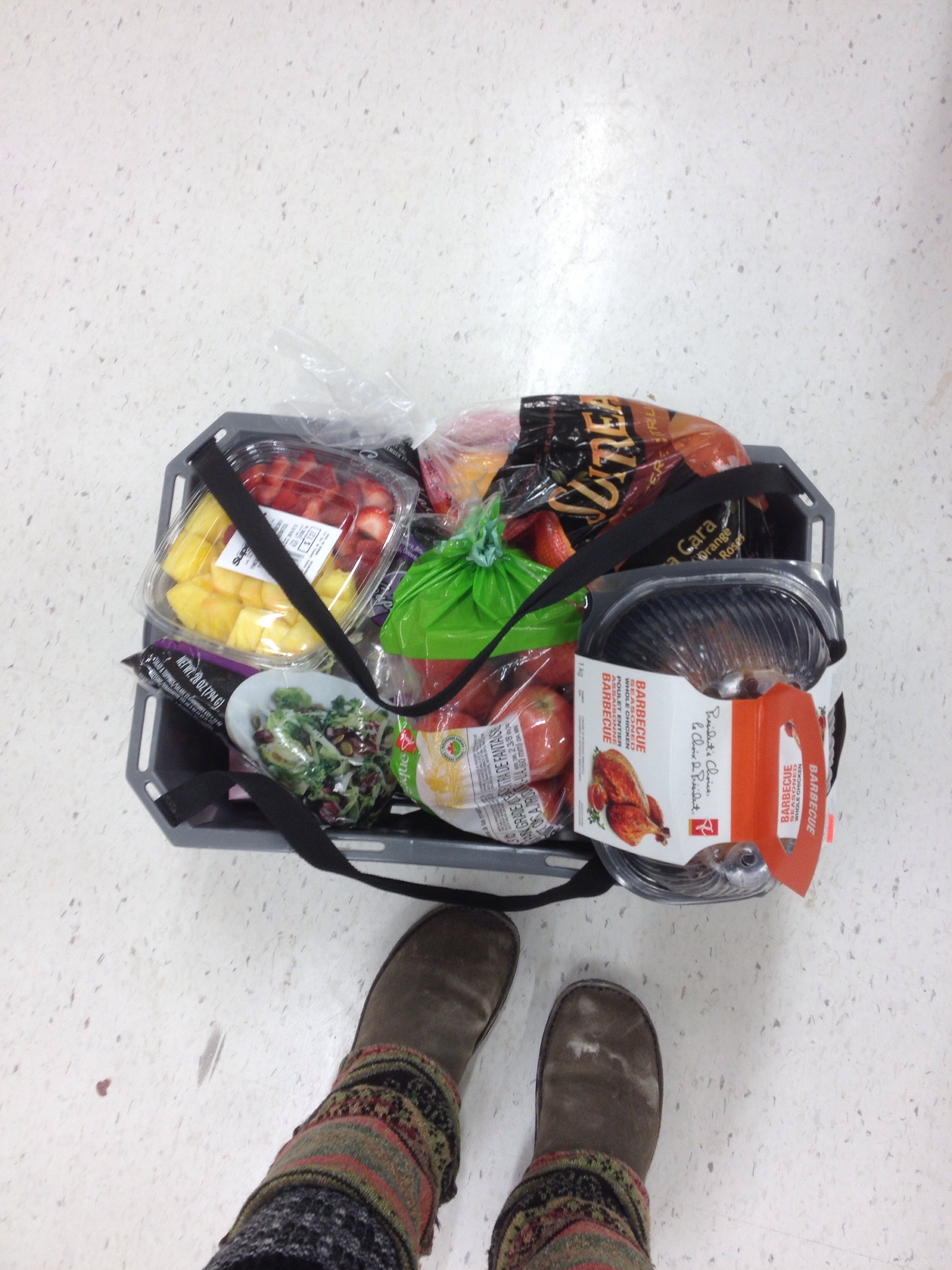
I’ve discovered that when I’m injured, and it’s exceptionally cold outside… All my body wants to eat is junk. I definitely ate pretty much a whole pizza last friday, the next morning survived off coffee (and I am not a coffee drinker usually..) until later afternoon where I ate BP’s pizza burger (bacon burger wrapped in pepperoni pizza…), Sunday I ate up to my usual standard, but then Monday I ate a individual sized pizza (with a large kale salad..) from the University. Seriously.. more pizza then I’ve eaten in the last year probably. No regrets though. Since Monday I’ve been eating quite well again, trying to get myself back onto the program (midterms are here…). I also finally had time and the ability to do a serious grocery shop, up until this week I was living off the bare minimum as I didn’t have the energy, time, or pain tolerance to do a good shopping trip.
20140211-214552.jpg
Sooo what’s up for this week? Shuffling between the pool, classes, work, therapy appointments, and repeat. Oh and trying to concentrate long enough to study for my one pre-reading week midterm. Reading week…So close, but so far. Once that is over (Thursday), it’s a full week of time to do nothing! LOL JUST KIDDING, I already have my reading week full. I even have something to do and someone to see on Valentine’s day, that doesn’t involve the traditional eating Ben & Jerry’s and brownies while watching chick-flicks with Emily. Exciting! For now I’m just about to get on the bike for my 4:30min allowance… and then I have a 6AM date with the pool, my arms, and my core muscles. Yay physical activity! One slow day at a time!

20140211-214532.jpg

Learning to walk again.. slowly but surely.

Today is the first day I’ve been able to walk almost… mostly… normal. Me being me I’ve been pushing it a bit. And regretting that. However, I have next to no limp today and that has lasted longer then it has previously (Friday was max 5 minutes before I couldn’t move again, today is close to 2hrs of limp free ambulation!).

I’ve been able to start doing some isometric work with the injured side, to try and maintain the muscles I haven’t used at all in the past week or so. Awesome how fast strength disappears, isn’t it!  My strength in my ankle went from a 2/5 earlier in week to a 3-4/5 by Friday. The rest of my leg is a slightly different story. I can’t really maintain any position against gravity from my knee up right now. I tried this morning to hold my leg up (while laying in bed) and resist gravity’s pull, that idea lasted for about 5s until I watched my leg slowly but surely lose the battle and sink back to the bed. Meh, gives me something to strive for I guess.
It’s slightly weird to have gone from leading such an active life, and getting excited about things like running hill intervals, or getting a pb on my Oly lifts in between work and classes to getting excited about being able to straighten my leg while standing on it, or move my ankle pain free. This has definitely been a lesson in patience, and seeing how much most people take for granted those basic human abilities (like being able to walk, run, drive, move…). I had a similar experience when recovering from my concussion, although that was more just plain frustrating to go through as it wasn’t an obvious injury to anybody else. This, at least, people can see the disability. And I’m very thankful it is a temporary disability and that I’m surrounded by many people who are more then willing to help me with things in the meantime.
Other then leading an extraordinary gimp life, school has been going well the past few weeks. I’m starting to fall back into the routine of studying and immersing myself in my course load. While the first few weeks were full of anxiety about falling behind, I’ve found my tempo again and my classes are all covering very inter-relatable material which makes studying much more time-efficient in many ways. Right now, I think my favourite course is rehab- mainly because it involves many ideas that I’ve always been keen about in this profession. Specifically, a key focus of the course is being creative and designing rehab programs suited to a specific client’s goals and sport. It’s a course where there are many right answers to one question, and is very much about being creative with programming.
A close second favourite is Ergonomics/Applied Biomechanics. The course content is pretty heavy, but the ideas the course has inspired is what I love. The prof has also taken an interest in some of my ideas relating to my Equestrian Training programs, and suggested we pursue some research ideas I’ve had. These ideas all focus around the forces a rider’s body experiences while in the saddle (most of the current research is focused on the force a horse’s body goes through). I love that I have people within the Faculty that I can bounce ideas for my class off of and get great feedback.
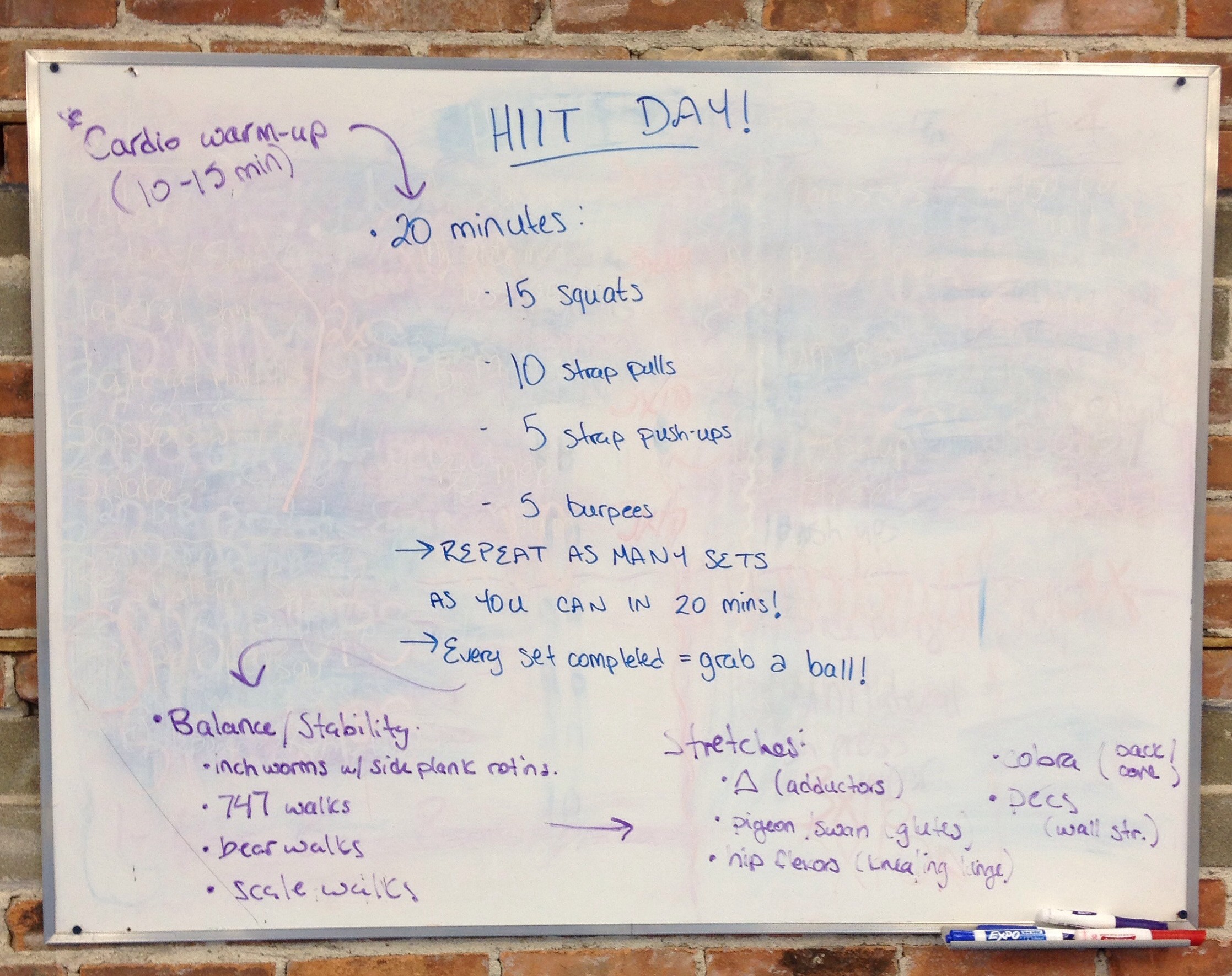
Speaking of my class, it is also going really well. Tonight we did a HIIT style work out, one that I didn’t have to demo anything for. 20 minute sets of 15 squats, 10 TRX body rows, 5 TRX push-ups, and 5 burpees. It’s great to see the participants improving already even after just 3 weeks, and get good feedback on the home program I designed. They are always full of great questions to ask me, and thankfully my education has backed me up with some good answers to give.
20140202-204111.jpg
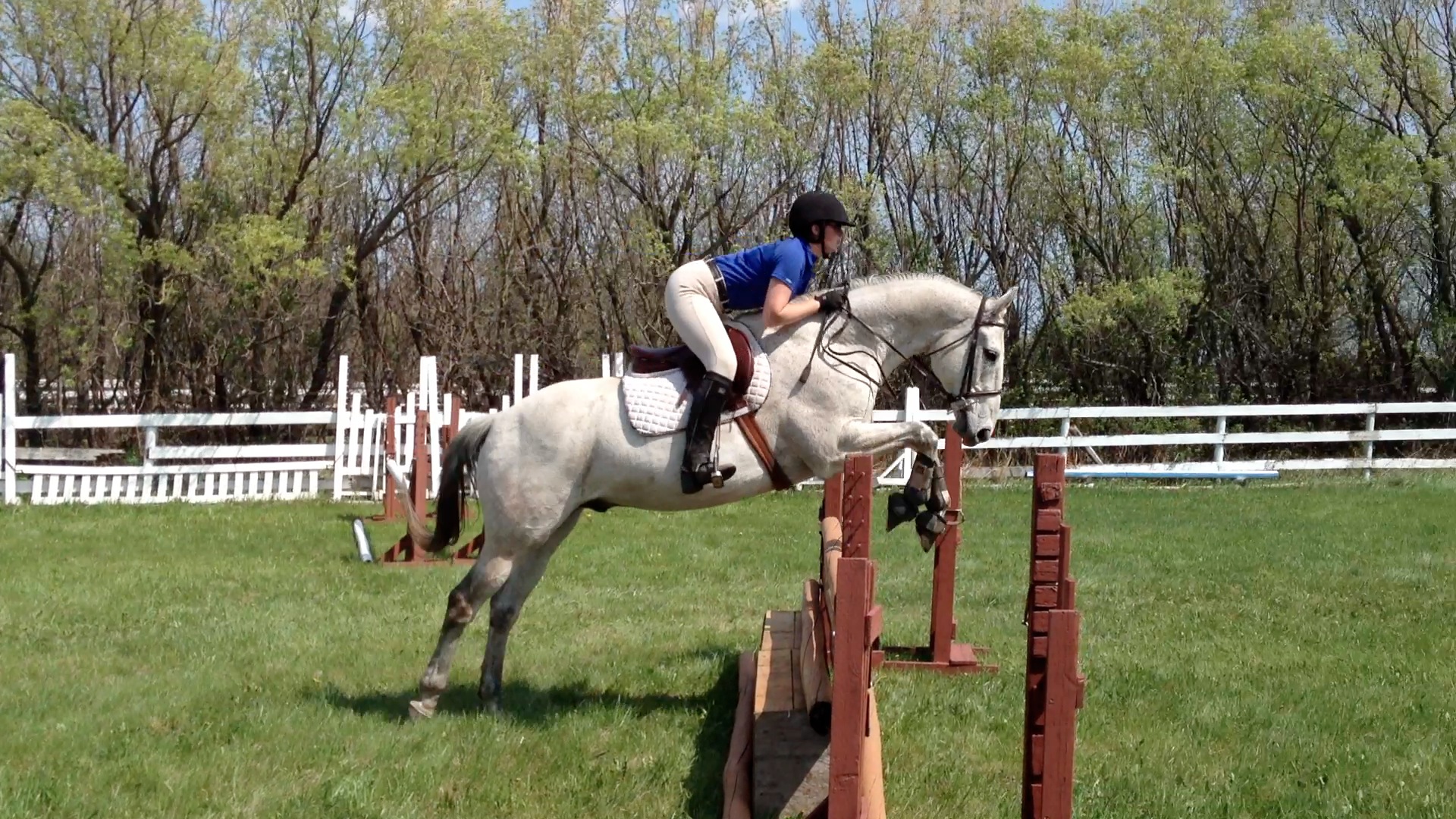
 I’m very excited for when I am back in action so I can start teaching some of the more specific exercises I have come up with. One specifically targeting stability for the rider when taking off/landing from jumps. I know I’ve had issues in the past (and still do) of getting ahead of the horse, or falling forward upon landing. The stability needed in the rider’s body to resist the pull of gravity is something often talked about, but not often addressed in training. I’ve come up with a couple exercises (integrating plyometrics and stability) to combat this habit many riders face, and am really excited to see how they work out when put to action!

During my clinic shift a couple weeks ago with Claude, I got the opportunity to do a assessment on a client coming in with knee pain. This is the second full assessment I’ve done this year, and I already had a pre-existing phobia of knees.. plus this is the first assessment I’ve done where Claude chose to pull up a chair and ask me all the questions (examples: “what muscle is that you’re palpating? Why did you do that test? Etc.).
Fantastically nerve wracking.
Anyway. I stumbled my way through my history, and ROM testing. Client was having pain around the patella, and described it as sometimes feeling stuck or blocked if she sat for too long. This all started a few weeks after she had been in a car accident. There was noticeable bruising around the knee, and minimal swelling. During the postural assessment I ran a full squat test (after standing there for a few moments being confused as to what to do next) and noticed that her entire upper body fell forward going into the squat and her heels wanted to lift off. Cue Claude asking “Ooooo so what could be causing this?” and me feeling stupid for the next few minutes. Right, tight hip flexors and calves. Here is where I really started to lose my mind. For special tests I decided to run a Clark’s and a Apley’s, after ligament testing of course. Claude had stepped out for a minute at this point, and I completed the tests once only to realise that I had done them on the wrong side (I had flipped the client over for Apley’s and gone brain dead apparently), #awkward. However, when Claude came back he didn’t realise either- or possibly he was just playing dumb to give me a chance to save myself….Clark’s was okay, as was Apley’s. Sweet.
From here I went into palpation, with a complementary anatomy quiz from the peanut gallery (thankful I aced this). Tender through the calves (achilles on the injured side was a little puffy- something I probably should have noticed during postural observation, quad and IT also were tight. A case of tight muscles pulling the patella out of whack, me thinks. Claude agreed (yayayay) and I got to do the rest of the treatment (quick massage for IT/quads and teaching stretches for the lower body) before she had to run to a vball practice. This was the same client who had come to us for a concussion initially- an assessment I also did- happy to report that she has been symptom free from that over the following weeks and has been able to progress back into her sport. Kinda cool to be able to follow a clients progress over the weeks consistently!
Anywho. Another week starts tomorrow, I am hoping to be back at MORfit working the desk for sure as the resident gimp this week, as well as the Older Adults class and lab demo-ing for P&C. And of course spending many a hour with my favourite AT working out the kinks and bruises in my leg. Ciao!


20140202-204053.jpg

Elevation

Well, my busy weekend was a bust.

Since Saturday’s super fun physics experiment, and resultant hilarious evening spent in Seven Oaks triage surrounded by paramedics- I have been waging a war with gravity and inflammation. Oh, and crutches. Those things are the worst. I thought I was in shape, until using them for 5 minutes.

1546061_600560130014135_1615355308_n

Needless to say, the horse I was showing probably won’t be bought by those particular viewers.

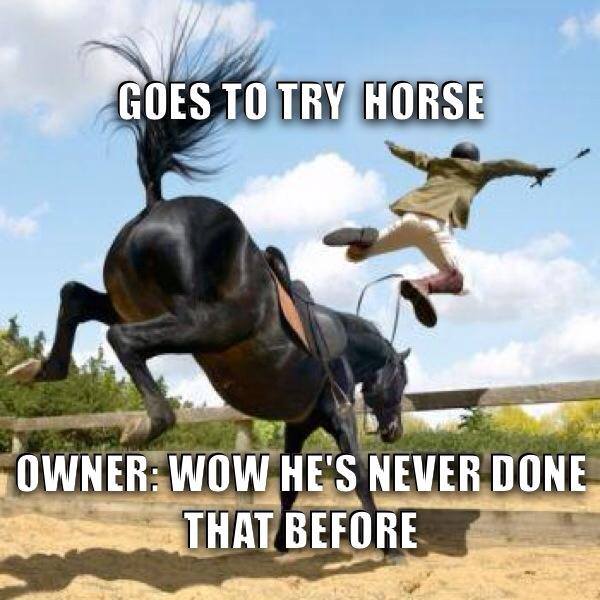
This was definitely one of those things in the sport that could have happened on any day to any rider and any horse. While there was somewhat of a “perfect storm” on Saturday (horse hadn’t been worked in a while due to weather, weather was changing, lights in arena weren’t working, the arena was creaky due to weather changes)- there really isn’t anyone at fault. And thinking back, I probably was thrown in the best way possible. If I had stayed on any longer, it would have been my head/neck hitting the top of the door at full speed, and if the horse had stopped at the wall instead of turning and running out the door I would have A)gone head first into the wall or B)stayed on (this probably would have been best case, but you get the point). Physics is a wonderful thing, isn’t it?

Funnily enough, the scariest part of all of it for me was not the actual flying through the air towards a solid wall. All that was going through my mind when the horse took off was a nonchalant “this is going to be a bad fall. I hope I don’t hit my head..”. You can always tell before they happen which ones are going to be nothing, and which ones are going to be bad. That mid air realisation was confirmed when I recognised from where I landed that there was no way I was moving my leg, and that something was wrong.

Fear didn’t really kick in until much later, just before Lauren showed up and I had sent the girls who were there viewing the horse to find him and untack him; I was completely alone supporting my leg and I felt shock starting to set in (ignorance might have been bliss in this situation). My face went numb, nausea set in, my ears began to tingle, and my vision started to go. Thankfully I was able to reverse all those really nice feelings with recognising what was happening and focusing on my breathing. It maybe lasted for a minute, but it was one of the scariest minutes of my life. After that, besides pain, I was fine.

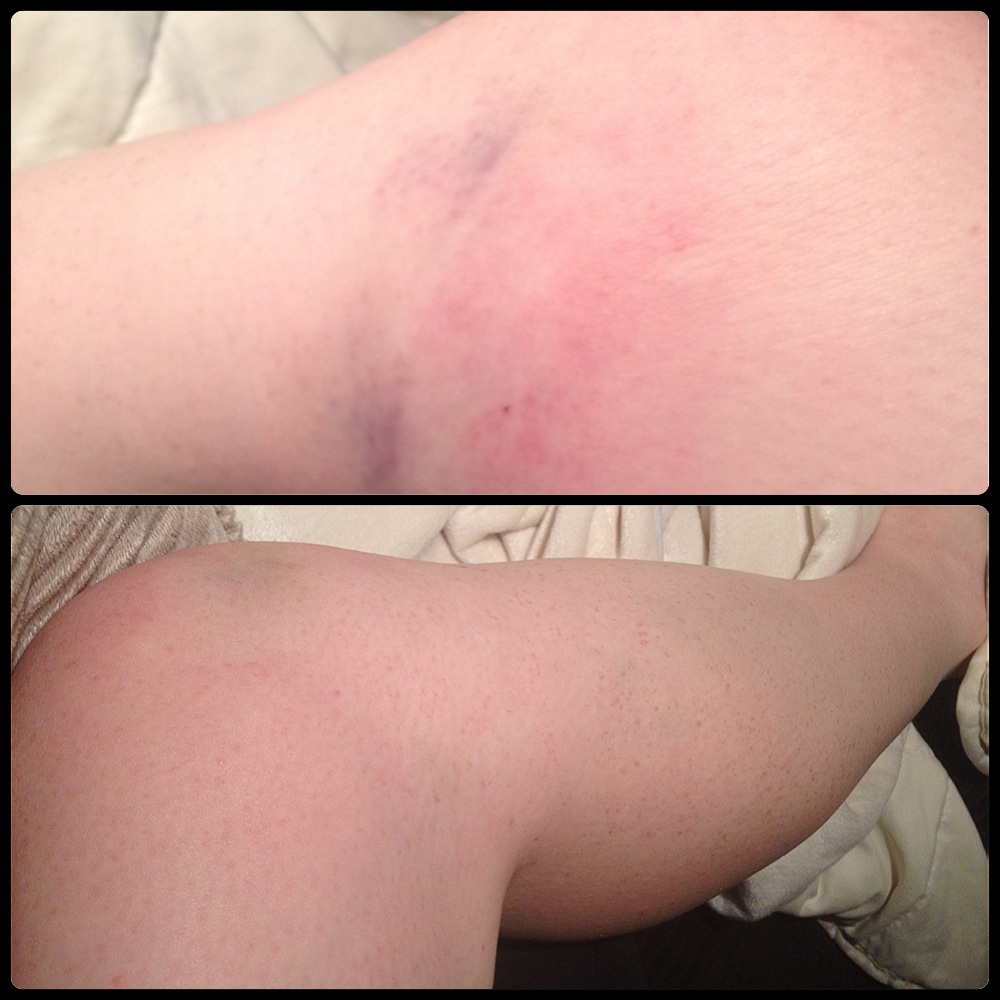
Slowly, but surely, the icing every hour and elevating as much as humanly possible during the day (while still attending classes) is starting to make gains against the swelling in my leg. I have some pretty nice bruises scattered, and some even nicer strained muscles in my thigh and shoulder. I haven’t gotten much farther on assessing the actual damage yet, other then the hospital’s “it’s not broken, you can leave now”, as currently every single movement is an issue due to inflammation in the confined spaces of my lower leg. The past couple days have been more about preventing compartment syndrome from cutting off circulation to my lower leg while inflammation runs it’s course. Thursday, now that my WCB claim is in place, I will be for real assessed to see what the damage is. Yay more poking and prodding.

IMG_1262

I’ve been attending school for two reasons, 1- no way am I falling behind, and 2- I feel the safest there, surrounded by numerous ATs 8hrs a day and having full access to ice and someone to check my foot’s circulation in the clinic whenever I need. Work is another story, obviously HC is put on hold and I definitely wasn’t able to work at MORfit Sunday or tonight (wasn’t able to teach either :() due to being horribly intimidated by stairs and 110% useless. Which means I’ve also been staying outside of the city, as my place as three terrifying flights (thank you to the Korstrom family, and my dad/Tesia for putting up with me!)

I am definitely glad that last week I felt the need to get as caught up with everything as I could (premonition much?), because this week not much catching up is possible.

Today I have been able to weight bear, a little. I have been able to make it around the house at a awkward shuffle- I can’t really move my leg out from directly under my hip (so heck no to any extension or flexion while moving) unless I want to experience full on muscle spasms. But this is leaps and bounds compared to Saturday night/sunday when I couldn’t move from the hip down, let alone even consider putting weight on the leg. Woooo progress. Even since yesterday, when we discovered that my right (injured) foot was quite a few degrees colder then my left, a few shades paler as well, and my ability to control movement at my ankle was next to zero (holla at me compartment syndrome)- I’ve regained decent circulation and can make movement happen when I want it to. Thank goodness for compression socks.

I’ve quickly discovered that most of the handicap doors throughout UW are dysfunctional, and pretty much everyone outside of the Duckworth seems to enjoy watching the girl with crutches struggle to open, hold, and go through doors herself.

One of the things that’s surprised me the most about this whole ordeal is how I’ve been handling it. In the past, injuries that withhold my ability to continue living my life at high speed tend to put me in a bad place. Maybe it was the overwhelmingly hilarious experience Lauren and I had with some pretty great paramedics on Saturday, but as much as it sucks that everything is being put on hold (again)- it’s not really phasing me like it used to. I guess maybe I’m finally learning to not fight what the Universe throws my way as much, especially when I can’t change the situation anyway. I do think I should start getting bonus marks for going above and beyond in understanding injuries, the healing process, and all that. Because, c’mon… It’s obvious I take my education quite seriously.  So far this idea has just gotten me the esteemed position of class example for lectures this week.

I’m truly hoping that in the next few days I can master a decent walking ability so I can ditch the crutches. I truly am a complete circus on those things, and my arms are so dang tired! Wish me luck, and I will keep you updated!

No running, no hiding from concussions (AT student blog term 2)

See below for my “I haven’t had time to write anything so here is a copy and pasted school blog post to fill time until I actually write…” Post. Enjoy that.

“So far my winter term has began with more concussions then my stint with football in the fall term did. And I’m only working in clinic…?

Over the holidays I did some work with my alumni varsity basketball team (Carman Collegiate), the coach had me design a few conditioning programs for the girls- which was a blast! The girls soon grew to love/hate me, it seems I have a fantastic imagination when it comes to designing sport specific work-outs to compliment practices. I attended one pre-season tournament with them in January, in which the coaches got confused as to what to call me (trainer? assistant coach? therapist? old player?) and at one point were planning on throwing a jersey on me and seeing if I could still play. However, I did come in somewhat handy with a couple small injuries. One player came up to me after the first game complaining of pain just inferior to her lateral malleoulus. She had no history of trauma (hadn’t rolled or landed funny on that foot in the last game) except for she had sprained that ankle a few years ago. After my assessment, I came up with a mild strain to the peroneals. She didn’t have any laxity in the joint, and didn’t really want tape (besides I wasn’t sure how I was going to tape to help that anyway– and the med kit there is pretty lacking). She was just happy to have some sort of reason as to why her foot kinda hurt.

After her, athletes started to get a little more liberal with actually coming to talk to me. Later on that day, conveniently 15 minutes before the start time of their second game in the day, the star player came to me complaining of knee pain (that she’d been experiencing for the last 4 months or so, but didn’t know what to do about it- so she just continued to train on it). I soon learned that during soccer season she had been hit with a valgus force and the knee had been “weird” since then. Okie dokie. So after running a quick assessment, I was slightly confused. While her MOI from soccer would suggest the medial aspect of her knee to be the problem, all of her pain and positive tests were on the lateral side. With ligament tests, there was no laxity, but the end feel was extremely painful. She only experience pain during play after she became fatigued and during lay-ups or jump-shots. She had a positive Ober’s and Nobel’s. So I came up with the possibility of the lateral ligaments still being a bit upset from the soccer incident, plus a little bit of ITB friction happening now during basketball. She, too, was quite happy just to know what was wrong and I said I could try taping for a little extra support (again, no laxity so wasn’t really worried about her going back to play if she was okay with it). At first, she said no to the tape (in my head I was going “thank god” as the game was due to start in about 5 minutes now). I ran through my warm-up with the team, and then, of course, said player comes back requesting I try tape. Of course!

So I slapped on a collateral ligament support (what else could I do for that??), had her do some functional testing which got a: “wow! my knee feels so amazing! Like, it doesn’t hurt at all anymore!”. Wasn’t expecting that response, but okay. I should mention that our med kit at Carman Collegiate only really has zinc oxide tape in it (and a few other necessary first aide supplies). No pro-wrap (unless it’s in the players’ hair), no toughener, no leuko tape or elasticon, legitimately only white tape. Thumbs up. This was the first time this player had ever been taped, so I wasn’t too surprised when I noticed she wasn’t playing as aggressively in the first quarter. After the buzzer rang for that quarter, I found her getting tangled in a mess of sweaty tape trying to get it off. I helped her take it off, and found that as soon as she started playing again she was back to her old self. Until she got elbowed in the face and I had to go onto the court (FIRST TIME GOING ONTO A FIELD/COURT AS A THERAPIST!!!) as she stayed down for a while. Not an injury I could real do much for, except for check her teeth. Just a nice cut on the inside of her lip, to which I advised rinsing with salt water later to prevent infection. She was back on the court in a few minutes.

What else did I do over the holidays? Well, about a week before Christmas my mom concussed herself by falling on the curling ice. I wasn’t home when this happened, so I got the stress inducing text saying “don’t panic,…. but your mom is in the emergency room because she hit her head on the ice…” WHAT. Tell me I’m not the only one out there who would go into full fledged OMG mode? Luckily, it wasn’t as serious as the scenarios my mind took me to. The emerg. doctor, unfortunately, obviously hadn’t done much continuing education on concussions- sending her home with a “mild” concussion, not checking her for fractures (the only thing that hit the ice was her head… the sound alone stopped every sheet of ice in the rink) with the reasoning “we only really see fractures in car accidents.. so you’re probably fine”, telling her that there was no need for someone to check on her throughout the night as “we don’t really do that anymore” (my mom was alone at this point, her husband was away and I was stuck in the city because of weather), and then sending her with two kinds of painkillers for the headache (isn’t this the one thing we’re never supposed to do??).

Sigh.

If anybody else out there has had the joyous experience of trying to give a injured family member advice.. you know how frustrating it can be. Having gone through the concussion experience first hand, and, you know, being educated on the matter- you’d think I’d have a little more influence with her. Thankfully, her husband sided with me, and over the next two weeks we managed to keep her laying low and mostly brain resting. She refused to not watch tv, and having a concussion over Christmas has to be the worst, because there is no avoiding busy social gatherings. Against my advice, she tried to go back to work after New Years- even after a sport med doctor I made her see told her to wait a couple weeks due to persisting symptoms. Can we guess what happened? More symptoms returned, and she started to get frustrated, irritable, and a little depressed. The back of her head (impact site) was still throbbing (3.5wks later) so I suggested she see another doctor. She listened, and this local doctor strictly told her to take another 2 weeks off before even thinking of working. My mom’s job consists of a lot of computer work, writing, editing, and thinking, interviewing, and critical analysis. Aka, a lot of brain work. This doctor also said that she had to come back to see her before she went back to work. (Btw, this is the exact same advice I gave her, the previous doctor gave her, and Robyn from the clinic at school gave her). Finally, she is listening. Somewhat. I woke up this morning to find her snow-blowing our driveway with a push blower. She comes inside saying “.. my head ache is back..”. WONDER WHY.

In rehab the other day we were talking about building a pts confidence back up to eventually return to play is a big part of it. I can see that now with my mom’s injury, she’s expressed many times that getting back onto the curling ice is terrifying to think about, and thinks that her fall was because of something she did wrong. She has been a curler for her entire life, many years as a competitive curler. She has even began to lose her nerve over small tasks that were once second nature to her (for example, working with our horses in the barn). As we know, a lack of confidence in one’s abilities often can cause more injury due to hesitation in actions. While the immediate challenge for her is just recovering from the actually injury, I can see down the road how there will be a lot of confidence building to do.

Okay so that covers my holidays…

I’m doing my clinic with Claude at MORfit, who I worked with before and throughout the holidays as well. The first thing he had me do once we both got back from holidays in the clinic was, wait for it…. a concussion assessment. His reason for having me do this (besides being his student)? “I haven’t done one in like 5 years…. so you have more experience with it then I do”. Inspiring. The next week I also did a full assessment for him on a new patient. He presented with pain just medial to his bicipital groove. He initially injured himself about a month ago when doing lateral DB raises, hearing a pop at end range and having severe pain around the insertion of pecs. Interesting. So I ran through my assessment, finding he had pain in all ranges of motion, except internal and external rotation. This changed when I went to IROM, internal caused great pain and external much the same. Definitely suspecting pec strain at this point. No weakness in any ranges though. I should also mention that during postural assessment, he had significantly anteriorly rotated shoulders. For special tests I did empty can (positive with pain), and speeds (positive with pain). Combined those with resisted cross flexion/extension (very painful) and I concluded a pec major strain likely because of the anteriorly rotated shoulders and the MOI.

What else have I done in clinic? A lot of pnf-ing, and massaging. Massaging was real fun after weeks off, the first time Claude had me do more then one in a shift, my hands were done for the rest of the day. I’ve also continued to work with the Older Adults program, and continue to love it.

I’ve noticed that I’m much more confident in my assessments now then I was last term, which is nice. I don’t panic anymore and as a result don’t forget what comes next. It’s much easier to come to some sort of conclusion when your brain isn’t experiencing stage fright!

To summarize, working with family members is frustrating, I have a knack for designing conditioning programs that make teenagers dislike me, my assessment skills are improving, and my hands are out of shape.

What are my goals for the upcoming couple weeks?

I’d really like to come up with a few new exercises for the older adults. I try to have new balance challenges for them every week, but I really need to think up some brand new ones. I also hope to do a few more assessments over the coming weeks, to continue to improve my skills in that area. I’m also hoping to give my mom some relief, by trying out my new christmas gift of a massage table, and working on her neck.

That’s all for now, folks!”

What kind of fuel are you using?

How much time and effort do you spend picking out your horses’ feed? Planning out their nutrition, making sure what they’re eating is going to give them the most benefit. If you’re like most riders/horse owners.. probably quite a bit. It’s important stuff, these animals do great things for you- and they rely on you to make good choices when it comes to care.

Next question. How much time and effort do you spend picking out what you’re going to eat? Are you as picky with what goes onto your plate as you are with what goes onto your four legged friend’s? If yes, then kudos! If you’re reading this and realizing that the amount of time and effort differs between the two- I hope I’m inspiring a positive thought process. I am by no mean passing judgement.

I should also mention that I am not a registered dietician, or nutritionist- and will not shove advice directly related to what you eat personally down your throat. Ever. It’s not what I believe. I do, however, believe in the power of the right foods. My exercise physiology professor started off a lecture the other day with this statement:

“95% of what you eat, your body absorbs..”

While this isn’t a new fact, it was a phrase that got me thinking. 95% is a lot! In the past year I’ve completely changed how I eat; at first only because I had two doctors telling me it was a good idea, if I didn’t want diagnostic surgeries- and then continued on because I just felt so damn good all the time. I truly saw how much better I was functioning.. physically, athletically (in and out of the saddle), mentally, and academically. The extra effort was more then worth the benefits!

We live in an society full of fad diets, weight loss tips, and people telling you their way is the best way. I live and breath evidence based practice at work and at school- and am skeptical of any claim I hear unless there is recreatable, realistic, and legitimate research behind it. Much of the research I’ve been reading lately is starting to catch onto the fact that the way we eat as a society in general is causing a myriad of health problems.

“Nutrition is not a mathematical equation in which two plus two is four. The food we put in our mouths doesn’t control our nutrition…not entirely. What our bodies do with that food does.” -T.Collins, Whole. 

The body is an amazing machine that will absorb what it needs, when it needs it, from what you give it. However, if you don’t provide it with the option of the things it needs, it has to compensate by using less ideal substitutes from the options available. Each individual body needs different things, and functions it’s best on it’s own special kind of “fuel”. While I can’t say what’s best for you, I can say that no body will be it’s best version on processed, refined, “fast” foods.

You wouldn’t knowingly feed your equine partner(s) something that would give them less energy, cause inflammation within their body, decrease their immune function, or put them at higher risk for a variety of health problems- would you? That’s precisely why you think about what you are filling their feed tub with. Likely you want to give them a type of “fuel” that helps them function at their best.

What kind of “fuel” do you fill your own tank with? Have you made changes recently to that intake and noticed differences? How do you think spending just as much time planning your own nutrition might improve your daily life, in and out of the saddle?

Think about it.

Train like you mean it

I’ve been riding for a while. I’ve also been an athlete in many other sports for a while. I used to spend countless hours defending the sport of riding to my gym teacher, who didn’t want to let me count the hours I spent riding as hours towards my credit, this was the same man who coached me for 4 years in countless soccer, basketball, and badminton matches- and watched me participate in volleyball, track, cross-country, and awarded me athletic dedication awards in both my Varsity years.

The defending didn’t stop there, of course, the equestrian sport is not always highly regarded as the image of athleticism (on the rider’s part anyway). Those who don’t do it, don’t understand it. Yet, even those who don’t play basketball/football/gymnastics/etc consider those who participate athletes. You can clearly see the sweat dripping off those athlete’s bodies, you see the tole a performance has on them, and often through media you get a glimpse into their intense training regimes, nutrition, and the prices they pay for their sport.

Unfortunately, often the way the media represents the equestrian culture is questionable- and the most prominent image is one of catty drama on lesser known reality shows, the latest fashion craze, or as a sport exclusive to the wealthy and upper class. I can’t say that all of the above isn’t true, I’ve seen it all first hand- even the truly questionable “fashionista’s” on campus wearing “hunter” boots with, get this, fake spurs attached. However, I also know the other side of the lifestyle, one where sometimes success doesn’t only come to the ones wealthy enough to buy it, but also to those dedicated enough to work for it.

Don’t worry, I’m not about to write another one of those oh so popular posts about how equestrians should be held up to the same standard of athleticism as all those other athletes, and how it’s a tragedy how we aren’t thought of as super-human athletes. After all, we are in the Olympics, and “we put our lives at risk”, and blah blah blah “it’s just as hard as football”. It’s been said before, and all those rants are out there to be agreed with or argued with already. The world doesn’t need another.

I’m not going to rant on that, because to be honest, so much of this sport is unique to many others. And I know how hard other athletes work, I see it all the time in my career, and I’ve experienced it as an athlete in other sports myself. Every sport is a little bit different, and I don’t think it’s fair to complain because equestrians aren’t considered the same athlete as an athlete in another sport. Especially when often those who complain the most are the one’s who act least like an athlete.

Equestrians aren’t at the same standard as other athletes, nor are they above or below that standard. I’ve spent a lot of my University career doing projects on how aspects of what we do as riders takes serious athleticism, and changed many a doubter’s mind. The farther I get in my degree, the more people I run into that don’t need convincing- they have had experience working with or talking to equestrians that take themselves seriously- and therefore are taken seriously by others. That is what I would like to talk about. Why riders need to take themselves a little more seriously, and spend a little less time trying to convince other’s why they’re worthy of being called an athlete.

I believe in order to be an athlete, no matter what your sport, you have to earn that title– its not a label that should be freely given as soon as you sign up for a team or pay a certain amount of money for the equipment. It’s a mindset, a lifestyle, and a dedication to yourself and to your chosen purpose. It’s hard work.

In the last case study I did, on how to train an elite equestrian athlete (a project I had to fight to get permission to do), I originally thought I would spend a lot of time focusing on why a trainer should take the sport seriously- but instead ended up writing about why the rider who choses to go above and beyond just the training done in the saddle has the potential to do so much more in the saddle. A rider who trains like an athlete (in all definitions of the word), considering aerobic, strength, agility, and other types of strength training as a regular addition to time spent working directly with a horse as well as proper nutrition and a balanced lifestyle is often the rider who has more success then one who does all their training in the tack. Don’t get me wrong, a considerable amount of time working in the saddle is also a necessary part of being successful- but developing total body strength, awareness, and increasing overall self-confidence need to be developed off of the horse as well.

Why is functional strength valuable to a rider? To start, you’re on a 1200lb animal often moving at a decent pace toward large objects. If you don’t have the strength to hold yourself in position while that 1200lbs defies gravity for you, good luck sticking in the tack- let alone lasting around a full course. C often uses the phrase “Don’t pull, resist” when training. It takes more strength to patiently resist a horse pulling at your hands then it does to get into a tug-o-war with the same animal. You’re more likely to make your point with steady, consistent enduring then by fighting a losing battle. Strength is necessary, and a strong patient rider will over and over again be more effective then one who isn’t. Riding shouldn’t be a power-struggle, and developing the strength to effectively use your body in the saddle and develop a functional relationship with a horse will long-term prevent unnecessary conflict, mistakes, and injury.

What does body awareness have anything to do with riding? The horse is the one doing all the moving and balancing, right?

As a rider you gain an extra four legs, two floppy ears, and a tail. Being able to balance your own body through time and space is highly recommended if you plan on guiding that 1200lb addition around a large obstacle course. Knowing how to apply a precise amount of pressure in your ring finger, calf, or how to effectively shift your body weight in the tack to rebalance your mount and communicate the next move-  are all tools in the rider’s tool box, tools that are only sharpened with increased body awareness.

Yes, you could get away without the above two skills as a rider. You’d have a tougher time working with difficult horses, making it through week long competitions, and achieving the necessary precision to be the best.. but you’d get by. The confidence thing, though, is kind of a make it or break it thing. Confidence is the difference between a run-out at jump #2 and a clear round. Confidence is what trains a horse, and what makes a team work. In any sport, confidence is a trait found in every successful athlete.

What helps build confidence? Knowing your body’s capabilities, strength, awareness, countless time spent practicing, both skills directly related to the sport and developing those skills away from the sport as well.

Over the past couple years I’ve had a shift within my own mindset. The reason behind that was partly through education, but also through experience. The last few years have brought a huge increase in my own skill as a rider. Much of that I credit to joining a team of dedicated riders, under two of the most dedicated coaches I’ve met, in any sport. The drama that floats through the horse world doesn’t interrupt the patient process of skill development that takes place within this group. The results seen each season speak for themselves.

IMG_3495

I also credit that to an increase in confidence that I am doing what I need to be doing to be the best I can be in every aspect. I started paying less attention to if others took me seriously, and spent more time taking myself seriously. I started applying the training I did in other sports to training outside of the saddle. As my fitness (physical and mental) improved, my riding improved. I didn’t need to prove to others how riding should be taken more seriously. If I took it seriously, and trained like any other athlete, people started to take it seriously too.

In the New Year I will be running a training program for riders. Not only is this a first for me, teaching a class of this type, it’ll be something new for the MB riding community. I know many riders who do train outside of what they do on a horse- and it shows in their riding. Riding does require athleticism, more then many people realise, and the best way to demonstrate that is by being the best you can be. I am hoping to pass on some of my own experience both in riding and in the training industry to fellow riders through this program which is designed to enhance the skills we already have from being in the saddle.

A rider who is strong and balanced will create a strong and balanced horse.

I am hoping to periodically write bits of info about different aspects of training as an equestrian for readers as well, based on things that I incorporate into the training program, and things that I do in school. Stay tuned for those.

To all the riders, or athletes, out there reading this- What do you do to be your best? Is what you’re doing going to get you where you want to go?

Focused assessment

Holy crap that semester flew by! As of yesterday I was officially DONE all 9 exams, and the first semester of my 3rd year. Half done the legendary 3rd year (aka the year of 9’s). Now there’s time to do not a lot of anything for a couple weeks…

I’m already bored.

I figured since I have nothing really super exciting to write about, since my last two weeks has been completely encompassed by exams and work (aka studying for exams), that I’d take a look at how I did this term on the goals I set at the beginning (in this post).

My number 1 goal for this term was Keeping my nutrition on track. Why was this important? Evidence has shown that I do so much better when I eat right. What’s right for me? All the veggies/fruits, lean proteins, and minimal starch/processed foods (no gluten, minimal dairy, minimal sugar). So, how did I do?

There was a couple iffy points throughout the term.. The first being when I decided to try adding oats (gluten free oats) and dairy back into my diet. It worked great for like a week, until I started feeling like crap again. It only took me a couple weeks after that to clue in that maybe that was why I was feeling awful and tired all the time. Then there was the “I am lazy and I just want to eat all the things” week where I gave up not eating gluten and ate way too much of it. Again, horrible outcome. But then there came the lead up to exams, where I got real serious about all things healthy again (serious enough to basically cut out Starbucks- going from once a day to once every two weeks…), and switched back to exactly what I know makes me function the best. After making those transitions, I was back in the good books with my body- I concentrated better, slept better, had better energy, was happier, and everything fell back into place. So, all in all, I didn’t do horribly- even if it was just proving to myself that nutrition is still important- and this remains a huge goal for me for next term.

Goal number 2… Not over scheduling my already over scheduled schedule. Who wants to wager a guess on how well I did with this?

Yeah, I sucked at this one. HOWEVER. The positions I was outlining in the original post (aka the Older Adults Class) turned out to be one of the highlights of my semester. The other opportunity I said yes to way back then (Horse Connection) also turned into a great experience (and a nice source of extra income when it turned into a paid position). Actually both those turned into paying position, as I accepted a research student position with the Older Adults program and a trainer position with HC. Did I stop at saying yes there? HA. I did learn to say no, too, though. Or at least balance my opportunities better. I learned (the hard way) what burn-out feels like  few times, how to predict it, and how to prevent it. Or at least be proactive about it. So while I did kind of fail at not over scheduling, I did get better at choosing the most proactive way of over-scheduling… Does that make sense?

My third goal was following the work out program I designed. This was a success. Mostly because the initial phase of my program (offseason) was basically not pushing it in the gym. This was easy, as I hardly had time to make it to the gym most of the semester (see above goal comments). I did quite a bit more riding then usual for me during the school year with HC and at M&C’s, consistently went to yoga, and did my best to get to the gym at least once or twice in a week. This is basically exactly what I had designed for an off season program. Chilled out work-outs to recoup from the competition season and stay in shape.

This goal is getting amped up a little for the next couple months, as I’m finalizing the programming for the newest MORfit Training Centre class: Function Conditioning for the Equestrian Athlete. That’s right, I made it into a class and am getting paid for it. Because I have the best boss ever and I love my job. I was amazed by the interest within the riding community I got through my preliminary feelers, and really hope that interest sticks around once it actually gets rolling.

Next was.. Actually using textbooks. Another goal I did not half bad on! And saw some results because of. Of the 4 textbooks I bought, 75% of those I read front to back, and the other one I did read the important parts of. First responder text saved my life, and Assessment (all one billion pages of it) was a huge help as well- same with taping.

I still can’t believe how fast this semester went. And how much I’ve learned in what feels like a very short time. Was it really only a few months ago that football practices were a huge source of anxiety for me? Lets not even talk about how I felt thinking about practical exams earlier in the semester. I started the semester absolutely freezing when asked a question, or asked to do something in front of someone. Now it’s become something I do everyday without a second thought. I’ve managed to become fully comfortable within the things that used to terrify me.

The day before my practical assessment exam, Claude at MORfit had me do a full assessment on a real patient… alone (well, he was in the next room listening and watching my every move). Even a couple weeks ago I probably would have freaked out at him even asking me to do that (he used to joke around about having me run an assessment alone). That night, I somehow flowed right on through a half decent assessment without any problems- and my exam the next day went quite similar. If you had told me three months ago I’d be designing a class to teach this winter, a class that I’ve been dreaming of designing for years, I would have laughed at you. If you had told me that I would feel confident dealing with injuries of all kinds both alone and in front of peers (this used to terrify me most)- again- I would have probably just thought you were hilarious. Yet, here we are. Almost every day at school, or at work I’ve found another reason why I love my job and future career (#nerd).

I managed to face all the challenges I predicted (and some I didn’t) head on, with some freaking out, but always with confidence (often acted). I put into action the theory of “acting confident to become confident” quite a bit this year, and thankfully the acting did become real confidence (insert sigh of relief).

And now to wait impatiently for marks to be posted…..